
Haithabu: Gateway to the Viking Age on the Schlei
Haithabu on the Schlei was once one of the most important trading hubs of the Viking Age. Discover why this place is still seen as a gateway to that era today.
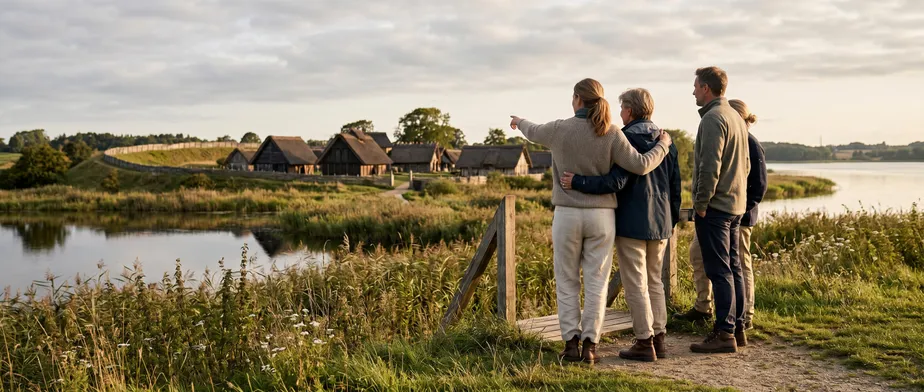
Anyone who wants to understand the history of the North can hardly ignore Haithabu. The former settlement on the Schlei still stands for trade, new beginnings and cultural exchange. The name evokes images of longships, workshops and journeys to distant regions. In reality, Haithabu was for a long time far more than just a settlement. It developed into a centre that connected the Viking world with many other regions.
Haithabu was probably founded in the 8th century by Frisian merchants. The location was chosen with care. The navigable inlet of the Baltic Sea offered ideal conditions for the movement of goods. This is where a place emerged on the Schlei where people lived, traded and shared knowledge. For the Vikings, Haithabu became a genuine gateway to the wider world.
An important trading hub
By the 10th century, Haithabu had grown into the largest trading centre in northern Europe. Merchants, craftspeople and Vikings met here. It was this mix that shaped the character of the place. It was not only about goods, but also about influences, ideas and new connections. This exchange is what defines Haithabu’s historical importance to this day.
The site also shows that the Viking Age was not shaped by conquest alone. Trade, too, played a central role. Haithabu stands for a side of history that is often less in focus. It represents economic strength, networks and the coexistence of different groups at a strategically important location.
Danewerk as protection and border
Closely linked to this history is the Danewerk. The mighty border rampart protected Haithabu from attacks and secured the surrounding area. To this day it ranks among the most visible traces of that era. The originally semicircular embankment is still easy to recognise and makes the scale of the site tangible.
The interplay between settlement and fortification reveals how significant Haithabu once was. Nothing about this place was left to chance. Its location, its defences and its access to waterways turned Haithabu into a hub of exceptional importance.
From heyday to destruction
As important as Haithabu was, its history did not follow a constant upward path. In 1066 the settlement was completely destroyed. Its historical impact, however, remained. The site south of Schleswig still tells of a time when the Schlei was a key transport route and the North remained closely connected with other regions.
Why Haithabu still captivates today
Haithabu has been part of the UNESCO World Heritage since 2018. This status underlines how valuable the site is for understanding European history. Anyone interested in the Viking Age will not find a legend here, but a real place with a past you can still sense.
Haithabu is therefore more than a historical name. History becomes visible here. Between the Schlei and the Danewerk you can see how closely trade, power and mobility were linked many centuries ago. This is why Haithabu remains a fascinating destination for anyone who wants to follow the traces of the past in Schleswig-Holstein.
More articles
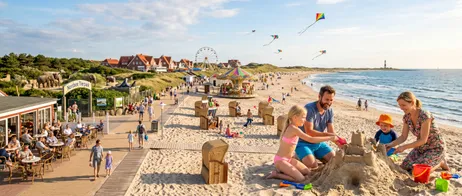
Family-Friendly Activities on the North Sea Coast
The North Sea delights families with child-friendly beaches, exciting excursions and varied days by the sea.
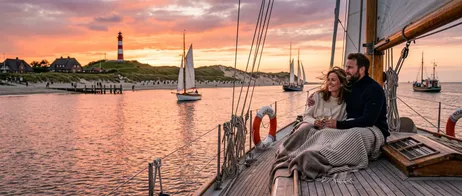
Romantic Getaways on the North Sea at Sunset
Romantic getaways on the North Sea bring together atmospheric sunsets, relaxed boat tours and quiet moments by the sea to create special time for two.

Adventure Holidays on the North Sea with Kayak and Bike
The North Sea inspires with kayaking, cycling routes, dune landscapes and varied outdoor adventures along the coast.

Typical North Sea: Culture, Language and Authentic Coastal Charm
What is typical of the North Sea? Discover how language, humour and traditions shape coastal character and why a holiday home stay brings you especially close to local life.

Things That Make You Happy at the North Sea
Why the North Sea feels so good: an atmospheric love letter to the small moments of happiness found between mudflats, wind, vast horizons and soothing calm.

Amenities in North Sea Accommodation
What amenities do accommodations at the North Sea offer? An overview of typical features in holiday homes and apartments, between comfort, coastal charm and practical details.
